
How to Advertise Commercial Property for Rent Online
Online commercial lease advertising helps owners present property details and receive enquiries from prospective tenants. This guide covers the information to prepare, how to structure the advertisement and how to manage the next steps directly.
Prepare the Commercial Property Details
Start by gathering the information needed to describe the premises accurately. This helps you prepare the advertisement and respond to questions from prospective tenants.
Depending on the property, the details may include:
1. Property address and type of premises
2. Internal floor area and relevant site details
3. Available rooms, storage areas or facilities
4. Parking and access arrangements
5. Current condition and included fixtures
6. Available services or amenities
7. Proposed rent and applicable lease terms, where confirmed
8. Availability date and inspection arrangements
Check each detail before including it in the advertisement. If a measurement, permitted use or other property detail needs confirmation, verify it before publication.
Review the premises and arrange any necessary maintenance before taking photographs. Use current images that show the property accurately and help prospective tenants understand its layout and condition.
For commercial leasing matters such as permitted use, building requirements, disclosures or lease conditions, check the applicable requirements and seek qualified advice when needed.
Create the Lease Advertisement
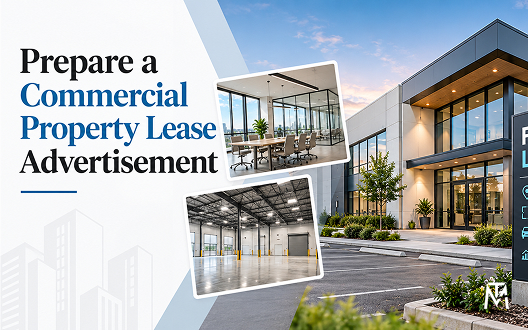
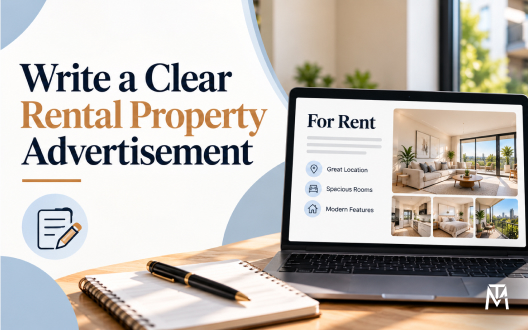
A clear commercial lease advertisement should explain the type of premises available, its main features and the information a prospective tenant needs to make an enquiry.
Begin with a straightforward description of the property and its location. Include relevant details about the floor area, layout, access, parking, facilities and other confirmed features.
Explain the proposed leasing information clearly. Where rent, outgoings, lease duration, permitted use or other terms are relevant, include only details that have been confirmed and can be accurately represented.
Use photographs that show the premises as they are. Include useful views of the interior, exterior, access points and other relevant areas where appropriate.
Keep the language factual and avoid claims that cannot be verified. Before publishing, check that the description, photographs, rent information and contact details are consistent.
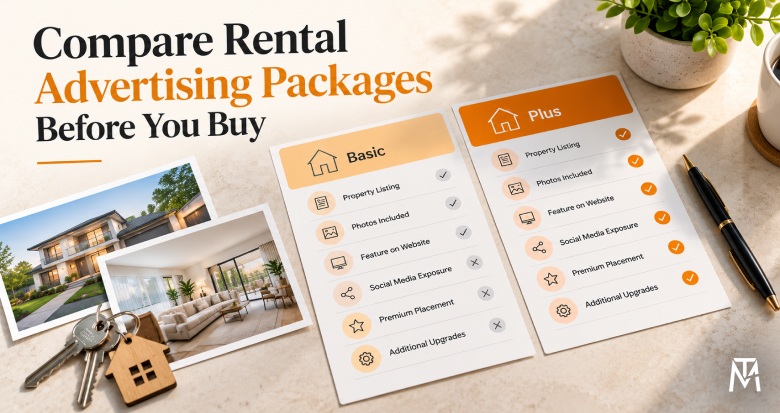
Choose an Advertising Package
Before selecting a commercial rental advertising package, review what each option includes. Check the property portals, advertising period, listing services, optional extras and applicable terms.
Consider the type of premises you are advertising and the information you need to present. Confirm that the selected package covers the advertising service you require rather than assuming every option provides the same inclusions.
Review the payment terms and order summary before completing your purchase. Keep a copy of the package details and any relevant confirmation for your records.
You can compare the available commercial rental advertising options through Minus The Agent’s commercial rental packages. Check the current package information before choosing an option for your property.
Manage Tenant Enquiries
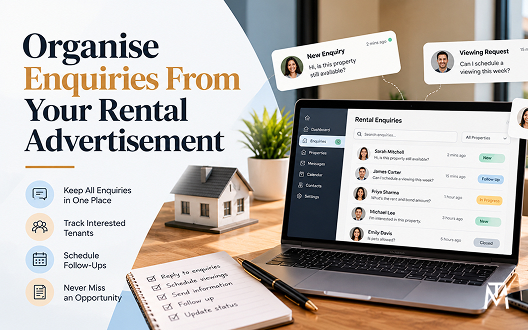
Before the advertisement goes live, decide how you will monitor enquiries and respond to prospective tenants. Prepare accurate answers to common questions about the premises, availability, facilities, proposed leasing terms and inspection arrangements.
Keep track of enquiries so you can manage follow-ups and avoid providing inconsistent information. If a question concerns a detail that has not been confirmed, verify it before responding.
Arrange inspections at suitable times and communicate the arrangements clearly. Depending on the premises, prospective tenants may need information about access, parking, building facilities or the areas available for inspection.
Keep the advertisement current when confirmed information changes. If the premises are no longer available or the proposed leasing terms change, update the listing as appropriate.
Arrange Inspections and Next Steps
Before an inspection, confirm the appointment time, access arrangements and any relevant instructions for visitors. Make sure the premises are ready to view and that the areas included in the advertisement can be inspected where appropriate.
During the inspection, provide accurate information about the property and the proposed leasing arrangements. Record any questions that require further confirmation and follow up with the correct information.
If a prospective tenant wishes to proceed, review the proposed terms and identify the documents or professional advice needed for the next stage. Commercial leases can involve specific conditions, permitted uses, outgoings and other obligations, so seek qualified legal or property advice where necessary.
Keep records of communications, proposed terms and agreed next steps. Make sure any formal agreement is prepared and completed in accordance with the requirements that apply to the property and transaction
Frequently Asked Questions
1. How do I advertise a commercial property for rent?
Prepare accurate details about the property’s location, size, permitted use, lease terms and key features. Add clear photos, choose a suitable commercial advertising package and establish a process for managing tenant enquiries.
2. What information should a commercial lease advertisement include?
A commercial rental listing should generally include the property’s location, floor area, intended or permitted use, rental terms, availability, facilities and inspection details. Include outgoings and other lease costs where relevant and confirmed.
3. Where can I advertise a commercial shop for rent?
You can consider commercial property portals and advertising providers that offer commercial leasing listings. Compare their audience, listing options, package inclusions and costs to select an option suited to your property.
4. Can I lease my commercial property without a real estate agent?
Property owners may manage commercial property advertising and tenant enquiries themselves. Commercial leasing can involve complex lease terms and legal obligations, so consider obtaining advice from a qualified commercial property solicitor or other relevant professional.
5. What should I prepare before leasing a commercial property?
Prepare accurate property details, photos, proposed lease terms, information about permitted use and relevant outgoings. Check any applicable planning, safety, disclosure and leasing requirements before advertising the property.