
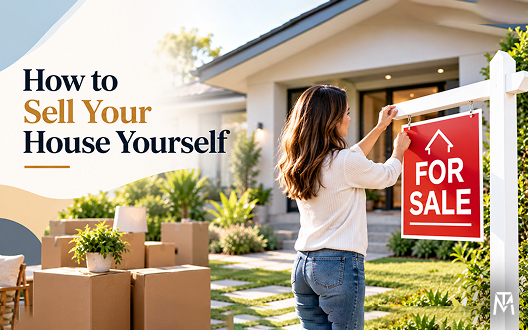
How to Sell Your House Yourself
Selling your own house means you manage the advertising, buyer enquiries, inspections and negotiations while a qualified conveyancer or solicitor handles the legal documents and settlement. The steps below show how to prepare and promote a private sale.
Prepare Your Home for Sale
Start by reviewing the property’s condition and deciding which preparation tasks need attention before advertising. Clean the main living areas, tidy outdoor spaces and address maintenance issues that may affect the property’s presentation.
Gather accurate information about the property, including its layout, features, parking, land details where applicable and any inclusions being offered. Make sure you can verify the information you intend to use in the advertisement.
Prepare recent photographs that represent the property accurately. If you plan to arrange inspections, consider how visitors will access the property and how you will manage appointments.
You should also check the sale-related disclosure and property requirements that apply in your state or territory. Seek professional advice if you are unsure about documents or obligations.
Set an Asking Price
Research comparable properties in the same area to help you assess an appropriate asking price. Look at properties with similar features, size, condition and location, and consider differences that may affect how buyers assess your home.
Use relevant market information rather than relying on a single listing. Asking prices are not necessarily the same as completed sale prices, so compare the information carefully.
Consider your financial position, selling costs and preferred timeframe when deciding how to approach pricing. These factors can help inform your decision, but they do not determine what a buyer will offer.
If you need help assessing the property’s value, consider seeking an independent valuation or advice from a qualified property professional.
Create the Property Listing
A property listing should give buyers a clear picture of the home and its main features. Include the property type, layout, bedrooms, bathrooms, parking, relevant outdoor areas and other confirmed details.
Write the description in plain language. Focus on features that are accurate and useful to someone considering the property. Avoid exaggerated claims, misleading descriptions or statements about outcomes that cannot be guaranteed.
Choose photographs that show the main rooms and relevant features. Make sure the images and written description match.
Before submitting the listing, proofread the copy and confirm that the price information, contact details and property features are correct. Review any advertising requirements that apply to the selected portal or provider.
Advertise the Property Online
Compare residential sales advertising packages to understand which property portals and services are included. Review the advertising period, optional extras, submission process and payment terms before choosing an option.
Prepare all required information before submitting the listing. Some providers or portals may check the information before publication, so follow the submission instructions and respond to any requests for clarification.
Once the listing is published, review how it appears online. Check the photographs, description, price information and contact details. Correct any errors and keep the listing current if confirmed property details change.
Online advertising is one part of the sale process. You will still need to manage buyer enquiries, inspections, negotiations and the steps required to complete the transaction.
Manage Enquiries and Inspections
Decide how you will respond to buyer enquiries and keep track of interested parties. Prepare accurate answers to common questions about the property, inclusions, availability for inspections and other confirmed details.
Arrange inspections at suitable times and communicate the arrangements clearly. Keep a record of appointments and follow up where appropriate.
During inspections, provide accurate information and avoid making statements you cannot verify. If a buyer requests documents or details you do not have, confirm the information before responding.
Consider your safety when arranging inspections and follow appropriate precautions. If you are unsure how to handle a particular request or disclosure, seek professional advice.
Review Offers and Complete the Sale
When an offer is received, review the proposed price, conditions, deposit arrangements and any requested dates. Consider the full terms rather than focusing only on the offer amount.
You can negotiate directly with buyers, but make sure any agreed terms are documented appropriately. The requirements for contracts, disclosures, cooling-off periods and settlement vary according to the property and applicable state or territory rules.
A qualified conveyancer or solicitor can help prepare or review the legal documents and guide you through settlement requirements. Do not rely on an informal conversation alone to establish that a sale has been legally completed.
Keep records of communications and documents throughout the process. Confirm the required steps with your legal professional before proceeding with contract execution or settlement.
Frequently Asked Questions
1. Can I sell my house myself without a real estate agent?
Yes. Homeowners can manage their own property advertising, buyer enquiries, inspections and negotiations. You should also understand the legal and disclosure requirements that apply to your property and location.
2. What are the main steps involved in selling a house privately?
The main steps include preparing the property, setting an asking price, creating the listing, advertising online, responding to buyers, arranging inspections, reviewing offers and completing the legal process.
3. How do I set an asking price when selling my house myself?
Compare recent sales of similar properties in your area, consider the property’s condition and location, and review current market information. You may also seek an independent property valuation to help inform your decision.
4. Do I need a solicitor or conveyancer when selling my house privately?
A solicitor or conveyancer can help prepare or review the required legal documents and manage settlement. Requirements differ by state or territory, so obtain advice relevant to your property and circumstances.
5. How can I advertise my house for private sale?
Prepare an accurate property description, take quality photos and select a suitable online property advertising service. Compare package inclusions and check which property portals are covered before submitting your listing.